They know the difference between seeing a view and feeling a welcome.
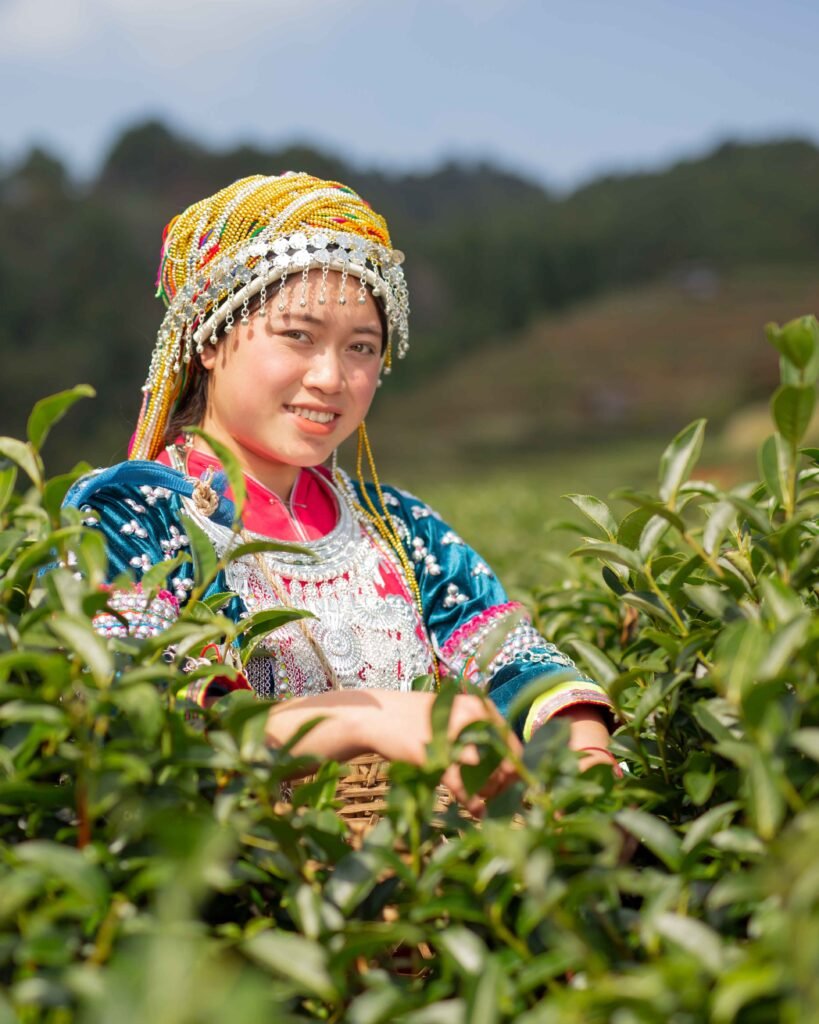
The true, deep warmth of Darjeeling lives not in its peaks, but in its people. It’s in the shared smiles offered to every stranger, in the helping hands that instinctively reach out to tourists, and in the gracious rhythm of a culture rich with hospitality.
It is the people—their resilient culture, their soul-satisfying food, and their ever-present warmth—who make Darjeeling truly, uniquely special. They are the human sunshine that melts the mountain mist, turning a beautiful landscape into a cherished memory.
This mountain town is a living, breathing fusion—a harmonious blend of Nepali/Gorkha, Tibetan, and Bengali influences. This cultural mix creates a vibrant atmosphere felt in its colorful monasteries, its bustling markets (where local Lepcha crafts are traded), and, most deliciously, its unique culinary landscape.
The king of comfort, the momo, is so beloved that nearly every street vendor claims the best recipe—and trying them all is half the adventure.
When the mist rolls in, there’s no better antidote than a steaming bowl of thukpa. This hearty Tibetan noodle soup, filled with fresh vegetables, meat, and warming spices, offers a nourishing embrace that reflects the region’s mountain resilience.
To travel through Darjeeling is not just to see its tea gardens and mountains—it is to taste its culture, a feast for the soul that truly solidifies its reputation as a place unlike any other.