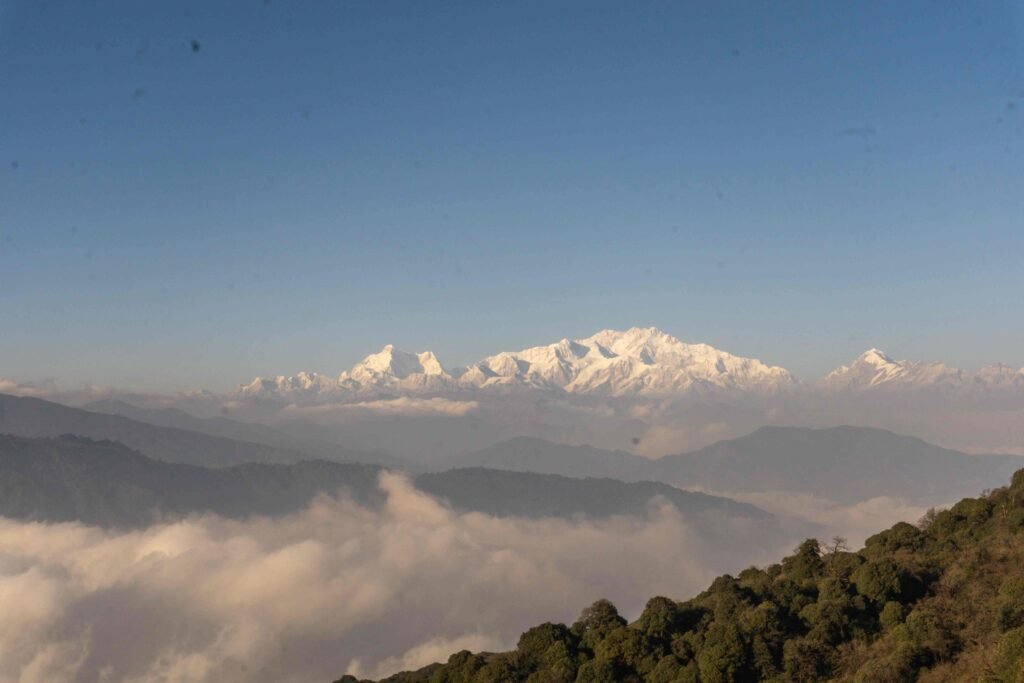
Darjeeling, often celebrated as the “Queen of Hills,” is famous for its snow-capped vistas of Mount Kanchenjunga and sprawling tea estates. Tourists chase these iconic sights, but the true essence of Darjeeling lies beyond the peaks—in Darjeeling culture and people, in the stories, smiles, and everyday lives that give the hills their soul.
The Warmth of Its People
Wander into the quaint lanes of Lloyd’s Bazaar or stroll through the vibrant alleys near Chowrasta, and you’ll notice the local spirit in action. Nepali, Gorkha, Tibetan, and Bengali influences create a culture where smiles are freely shared, strangers are greeted warmly, and small gestures—like helping carry shopping or offering directions—feel instinctive.
In the bustling markets near Darjeeling Mall, you’ll find Lepcha artisans selling handwoven shawls and bamboo crafts. Stop to chat, and you’ll often hear stories passed down through generations about traditional festivals, local rituals, and the town’s rich cultural tapestry.
Even in monasteries like Ghoom Monastery or Bhutia Busty Monastery, monks welcome visitors with gentle nods and sometimes share insights into rituals and prayers, making the spiritual experience personal and memorable.
A Culinary Journey Through the Hills
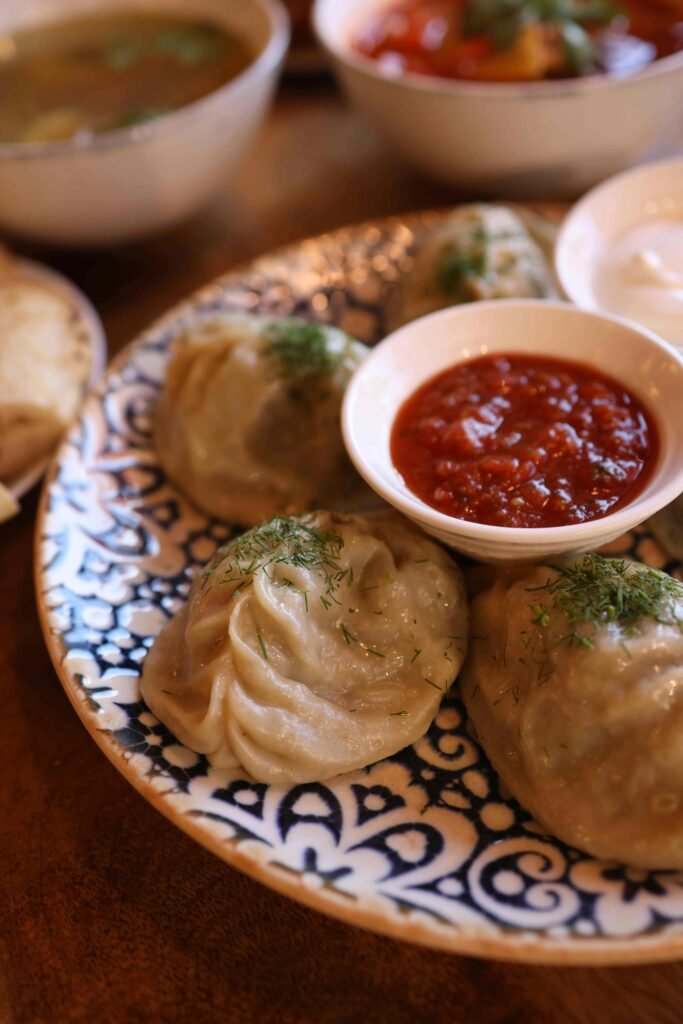
Darjeeling’s culinary soul is best experienced in its bustling streets and cozy, family-run eateries. Start your food trail around Chowk Bazaar and Nehru Road, where local vendors serve steaming plates of momos—chicken, pork, spinach, or paneer—each with its own distinct flavor. Ask a local where to find the “best” momos, and you’ll instantly spark a friendly debate, revealing the town’s deep love and pride for its food.
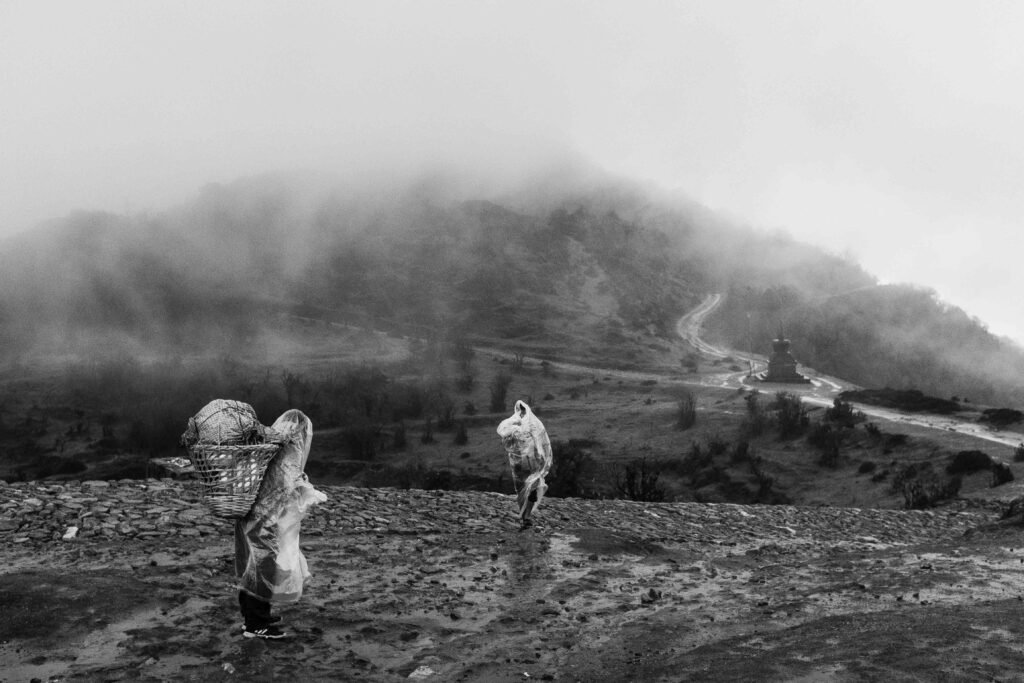
When the mist rolls over the hills, a bowl of thukpa becomes the ultimate comfort. Kunga’s, a beloved, family-run eatery near the Mall, is known for serving one of the most authentic versions of this Tibetan noodle soup. Made with fresh vegetables, hand-rolled noodles, and delicate spices, it’s a warm reminder of Darjeeling’s mountain hospitality.
For those with a sweet tooth, no visit is complete without stopping at Glenary’s Bakery. The scent of freshly baked pastries, paired with a cup of local Darjeeling tea, creates an afternoon ritual shared by both residents and travelers. Sitting by its windows, watching the clouds drift over the valley, is a moment that feels timeless—an experience that truly captures the gentle rhythm of life in Darjeeling.
Culture That Lives in Every Corner
Darjeeling’s culture isn’t just in its festivals—it’s in everyday life. Watching locals gather at Chowrasta in the evening, playing cards, chatting over tea, or children learning traditional dances in small community halls, you see a town that thrives on connection, storytelling, and shared moments.
Even the Toy Train ride from Darjeeling Railway Station to Ghum isn’t just a tourist experience; it’s a journey through villages, tea estates, and markets where locals greet passengers with waves, sharing glimpses of their daily lives and routines.
Why Darjeeling Feels Like Home
Beyond the peaks, mist, and tea gardens, Darjeeling is defined by its people. Their warmth, traditions, and hospitality turn a scenic destination into a place that feels lived-in, welcoming, and familiar.
From sharing momos on quiet lanes to swapping stories with tea estate workers, visitors are embraced not just as tourists but as part of the community. Darjeeling’s people are its soul, and it’s their spirit that transforms every visit into a memory that stays long after you leave.