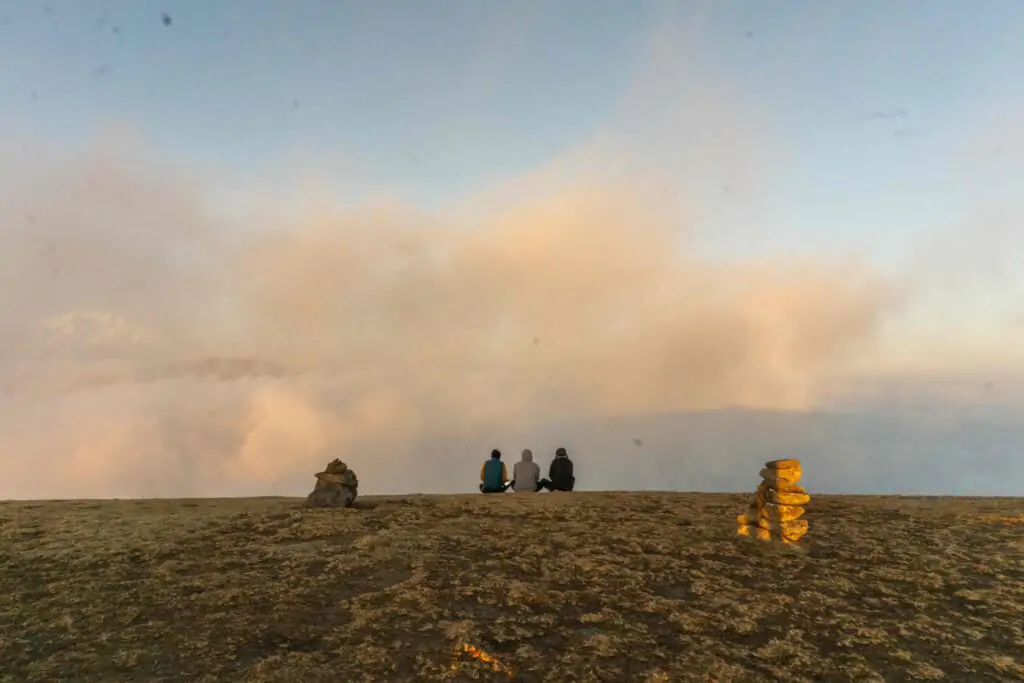
There is a saying in India: “kisi ke dil mein jaana ho toh pet se hokar jaana hota hai.”
If one wishes to enter someone’s heart, one must pass through their stomach. Nowhere does this feel more true than in North East India, where food is not simply eaten—it is shared, remembered, and deeply felt.
Across hills, valleys, rivers, and mist-covered towns, the cuisine of the North East carries stories of land and people. Each dish is shaped by climate, tradition, and generations of quiet knowledge passed from one kitchen to another.
Assam: Gentle Flavours with Deep Roots
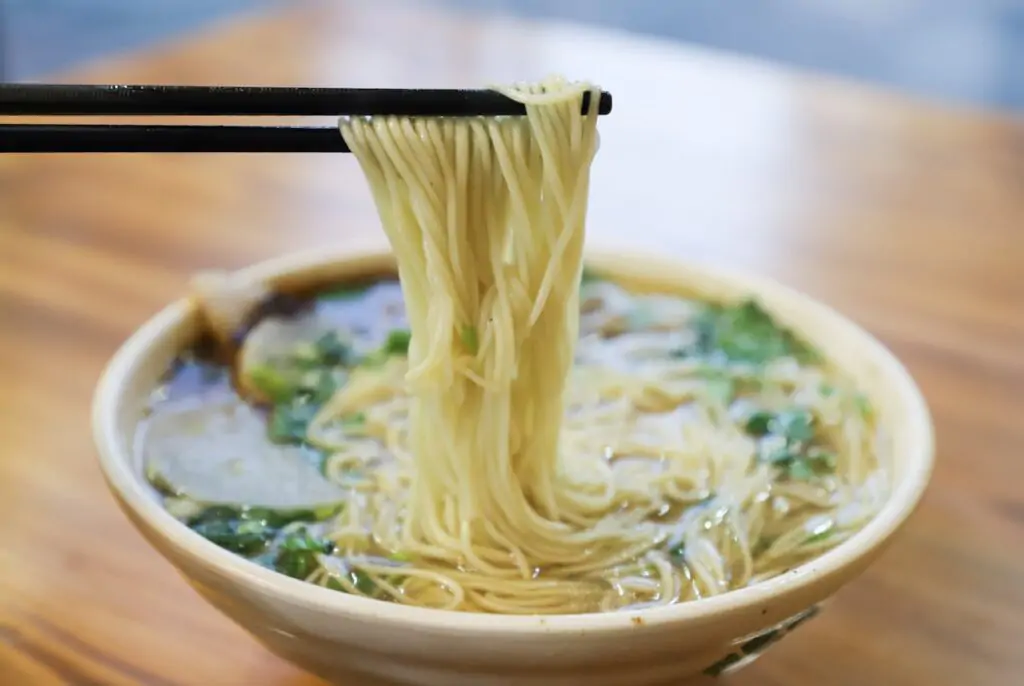
The journey often begins in Assam, where food reflects balance and simplicity. Masor Tenga, a light and tangy fish curry, mirrors the freshness of the rivers that flow through the state. Its sour notes awaken the palate without overwhelming it.
Besides, it comes Pitika—mashed vegetables or fish blended with mustard oil, onions, and green chillies. It is humble in appearance yet rich in comfort, the kind of dish that speaks of everyday family meals. The experience deepens with pork cooked with bamboo shoot, smoky and robust, reminding one that Assam’s cuisine holds both softness and strength.
Nagaland: Bold, Fierce, and Unapologetic
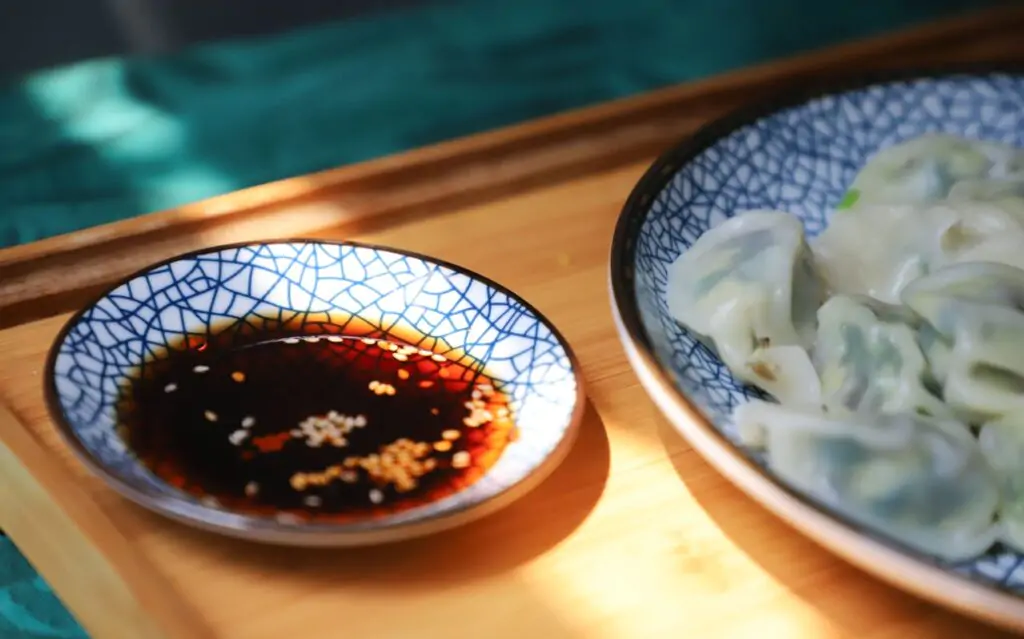
In Nagaland, flavours are fearless. The aroma of smoke hangs in the air as smoked pork with bamboo shoot takes centre stage, rich and intensely flavorful. The heat rises with Naga chilli chicken, made using one of the world’s hottest chillies, demanding respect with every bite.
Fermentation plays a vital role here, especially with Axone, a fermented soybean paste that adds depth and complexity to curries. Nagaland’s food does not seek approval—it tells its story exactly as it is.
Manipur: Where Fermentation Meets Freshness
Manipur’s cuisine is built on contrast and balance. Eromba, a mash of vegetables or root crops mixed with fermented fish and chilli, carries strong aromas and deeper traditions. It reflects a way of life rooted in preservation and resourcefulness.
Lighter yet equally meaningful is Singju, a fresh vegetable salad mixed with sesame seeds and local herbs. Crisp, vibrant, and earthy, it celebrates freshness. Iromba with Ngari, made using fermented fish, stands as a reminder that in Manipur, fermentation is not just a method—it is heritage.
Meghalaya: Comfort in Every Bite
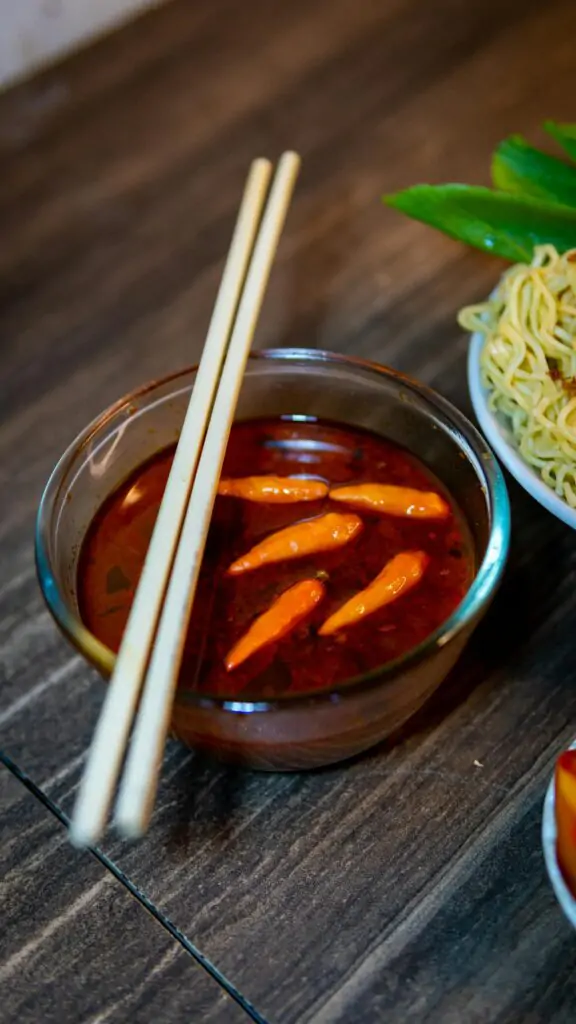
In Meghalaya, food feels warm and grounding. Jadoh, rice cooked with meat and spices, is often served during gatherings, bringing people together over shared plates. Dohneiiong, pork cooked with black sesame seeds, surprises with its rich, nutty flavour.
Then there is Tungrymbai, a fermented soybean preparation often cooked with pork and spices. Strong and earthy, it reflects the region’s deep connection to traditional cooking techniques.
Mizoram: Simplicity as a Philosophy
Mizoram’s cuisine allows ingredients to speak for themselves. Bai, a light stew of vegetables, bamboo shoots, and herbs, is subtle and nourishing, offering comfort without heaviness.
Vawksa Rep, smoked pork, brings a quiet smokiness that lingers gently, while Chhum Han, steamed vegetables, showcases the belief that food does not need excess to be meaningful.
Tripura: Earthy and Honest
Tripura’s food is rooted in tradition and local produce. Mui Borok, fish cooked with bamboo shoots, reflects the region’s rivers and forests. Wahan Mosdeng, a spicy pork preparation mixed with herbs, adds boldness to the table.
Soft Chakwi, steamed rice cakes, often accompany meals, providing balance and texture. Together, these dishes speak of a cuisine that values authenticity over ornamentation.
Arunachal Pradesh: Warmth from the Mountains
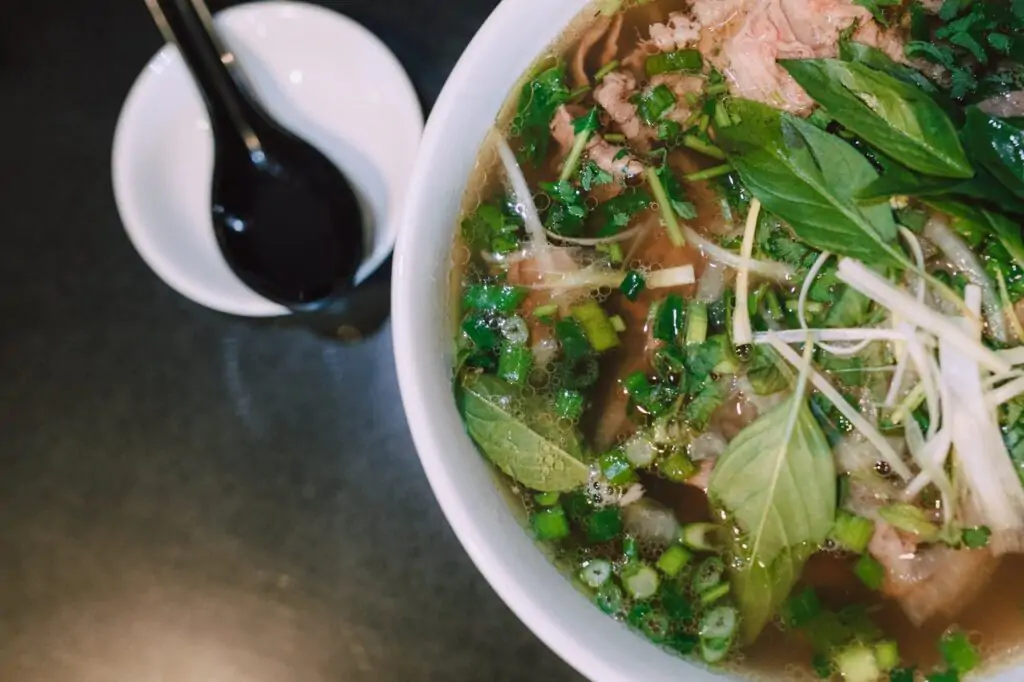
In Arunachal Pradesh, food offers comfort against the mountain cold. Bowls of Thukpa, influenced by Tibetan cuisine, are hearty and restorative. Local fish curries are prepared simply, allowing freshness to shine.
Meals are often accompanied by Apong, a traditional rice beer, which is as much about community as it is about flavour.
Sikkim: Hearty, Fermented, and Familiar
Sikkim’s cuisine blends Himalayan influences seamlessly. Momos, steamed or fried, are a staple—soft, flavorful, and deeply satisfying. Thukpa reappears here as well, warming both body and spirit.
Gundruk soup, made from fermented leafy greens, adds tang and depth, reflecting a long tradition of preservation in mountain life.
Darjeeling and Kalimpong: A Meeting of Cultures
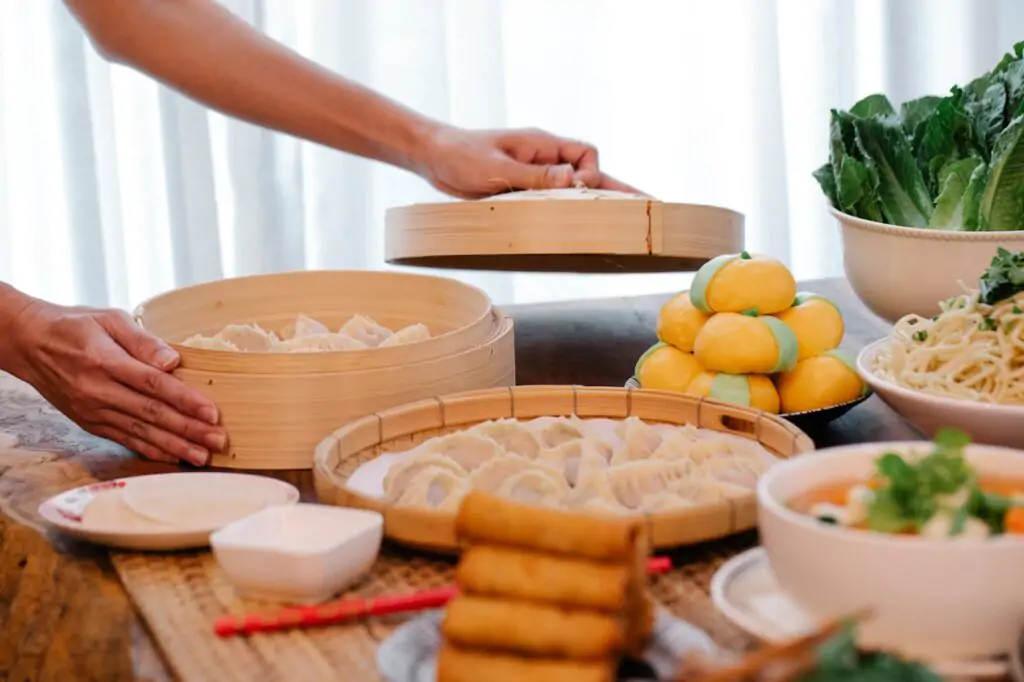
In Darjeeling and Kalimpong, food becomes a cultural crossroads. Tibetan and Nepali influences come alive in momos, thukpa, and spicy dishes like Choila. Evenings are often marked by tea and Sel Roti, sweet rice doughnuts that carry a sense of celebration.
Fermented foods such as Gundruk and Kinema, along with Churpee made from yak milk, complete the culinary landscape—rich, resilient, and deeply rooted.
A Region That Welcomes Through Food
Across North East India, food serves as an unspoken language. It welcomes strangers, preserves history, and strengthens bonds. Each dish, whether smoky, fermented, spicy, or subtle, carries the soul of its people.
And perhaps that old saying holds true after all. To truly understand the heart of North East India, one must first sit down, share a meal, and listen to the stories told by the food itself.